
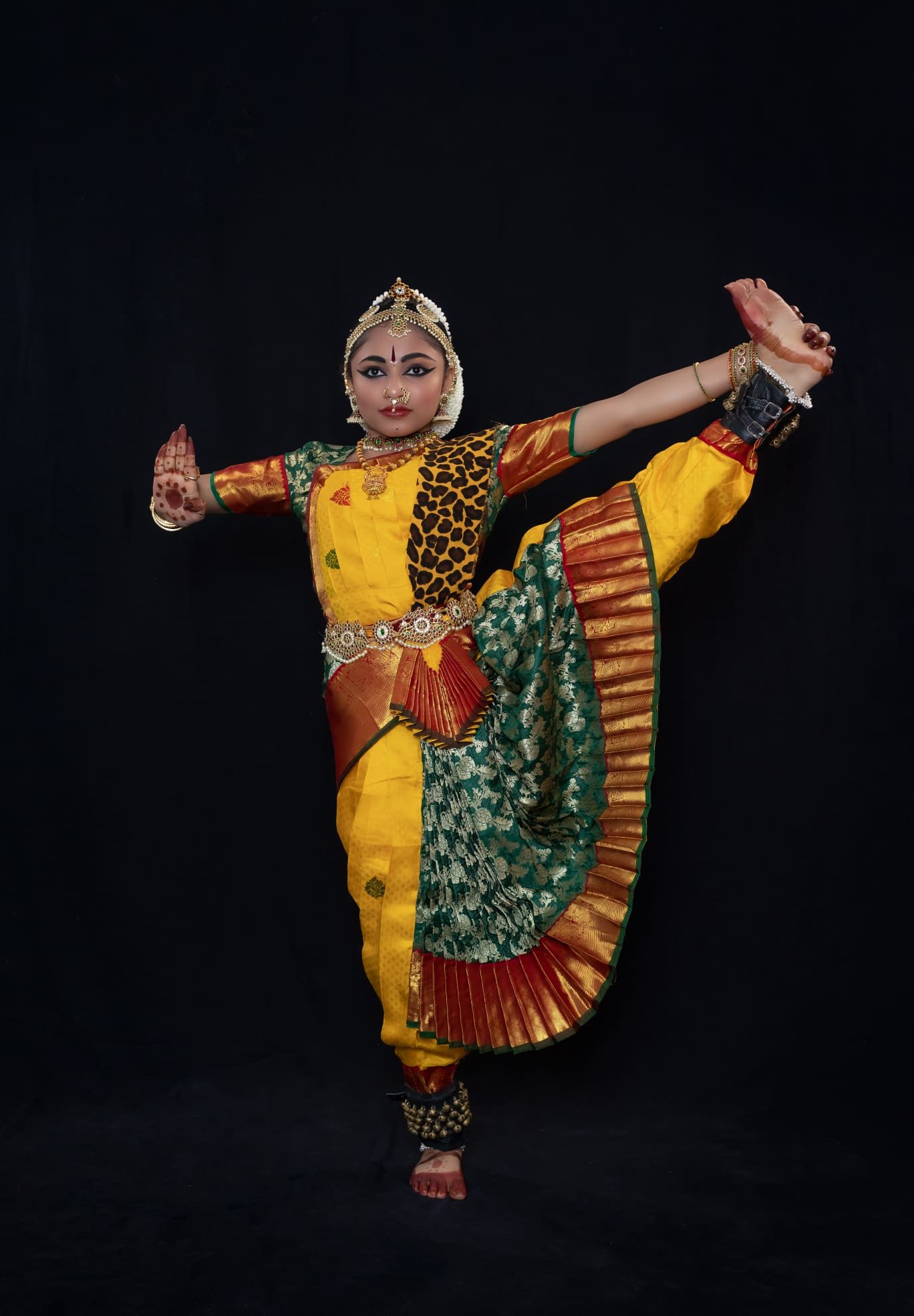

For Bharatanatyam students, one of the most meaningful achievements in their dance journey is the Arangetram. It is a respected milestone that represents years of dedication, discipline, and artistic growth. Families in Colorado who value Indian classical arts often view Arangetram as a proud celebration of tradition, perseverance, and accomplishment.
At Nadanalaya Dance Academy Denver, students who reach this level are guided carefully through training, preparation, and performance readiness. Arangetram is more than a stage event—it is the formal debut of a Bharatanatyam student as a trained performer.
What Is Arangetram?
The word Arangetram comes from Tamil and traditionally means “ascending the stage.” It is the debut solo performance of a Bharatanatyam student after years of foundational training.
This performance symbolizes that the student has developed sufficient skill in:
- Technique
- Rhythm
- Expression
- Endurance
- Discipline
- Understanding of repertoire
It is both an artistic presentation and an important cultural milestone.
Why Arangetram Is Special
Unlike casual recitals, Arangetram reflects long-term commitment. Students often spend years mastering basics before reaching this point.
Families celebrate Arangetram because it represents:
- Consistent hard work
- Respect for tradition
- Growth in confidence
- Artistic maturity
- Family support and dedication
- Cultural pride
It becomes a memorable life achievement.
When Is a Student Ready?
Arangetram readiness depends on skill, consistency, maturity, and teacher guidance. Every student progresses differently.
A teacher may consider readiness based on:
- Strong command of adavus (basic steps)
- Good stamina and posture
- Accurate rhythm sense
- Expressive abhinaya
- Ability to memorize full items
- Commitment to regular practice
- Stage confidence
At Nadanalaya Dance Academy Denver, readiness is approached thoughtfully and responsibly.
Years of Preparation Behind the Performance
An Arangetram is not created in a few weeks. It is the result of years of structured Bharatanatyam training.
Students usually build through stages such as:
- Basic posture and adavus
- Rhythm development
- Hand gestures and expressions
- Intermediate choreography
- Full traditional dance items
- Endurance and stage presentation
- Advanced rehearsal for solo debut
This long process creates depth and confidence.
What Students Perform
An Arangetram typically includes a curated Bharatanatyam repertoire showcasing different skills.
These may highlight:
- Technique and footwork
- Graceful movement
- Expressive storytelling
- Rhythm complexity
- Emotional range
- Spiritual or cultural themes
Each item demonstrates the student’s training journey.
Physical Preparation for Arangetram
Because an Arangetram is a full solo performance, stamina and body control are essential.
Students prepare physically through:
- Repeated rehearsals
- Strengthening leg endurance
- Improving flexibility
- Practicing posture
- Building balance
- Increasing performance stamina
Consistency is key during preparation months.
Mental Preparation
Arangetram also requires emotional and mental readiness.
Students learn to manage:
- Performance nerves
- Focus under pressure
- Long rehearsal schedules
- Self-discipline
- Confidence on stage
These life skills remain valuable beyond dance.
Importance of Teacher Guidance
A successful Arangetram depends heavily on experienced instruction. Teachers guide not only choreography, but also readiness, confidence, timing, and presentation.
At Nadanalaya Dance Academy Denver, students benefit from:
- Structured advanced training
- Honest readiness assessment
- Individual coaching
- Artistic refinement
- Supportive mentorship
Teacher guidance helps the student shine authentically.
Family Role in the Journey
Families play an important part in Arangetram preparation. Behind every successful student is strong encouragement and support.
Parents often help with:
- Transportation to classes
- Practice scheduling
- Motivation during hard phases
- Costume and event planning
- Emotional encouragement
Arangetram becomes a family achievement as well.
Why Arangetram Matters in Denver
For Indian families living in Denver, Arangetram is especially meaningful because it keeps classical traditions alive across generations.
It creates:
- Community celebration
- Cultural visibility
- Youth connection to heritage
- Inspiration for younger students
- Pride in preserving art abroad
It shows that tradition can flourish anywhere.
Skills Students Gain Through Preparation
Even before performance day, Arangetram preparation develops valuable qualities:
- Time management
- Responsibility
- Resilience
- Public confidence
- Artistic maturity
- Strong work ethic
These benefits extend into academics and future careers.
Is Arangetram Required?
Not every Bharatanatyam student chooses Arangetram, and that is okay. Some learn for fitness, culture, or enjoyment. But for students committed to advanced learning, Arangetram is a respected and rewarding milestone.
How Nadanalaya Dance Academy Denver Supports Students
Students preparing for Arangetram need expert and caring guidance. Nadanalaya Dance Academy Denver supports advanced students with:
- Progressive training plans
- Rehearsal preparation
- Performance readiness coaching
- Technique refinement
- Encouragement throughout the journey
Starting the Journey Today
Arangetram begins with the first beginner class. Students who consistently train, stay patient, and love the art can eventually reach this milestone.
If you or your child are interested in Bharatanatyam training in Denver, contact Nadanalaya Dance Academy Denver to learn about beginner and advanced pathways.
Final Thoughts
An Arangetram is more than a dance recital—it is a powerful celebration of years of dedication, discipline, and cultural connection. For Bharatanatyam students in Denver, it represents confidence, maturity, and respect for tradition.
At Nadanalaya Dance Academy Denver, students are guided every step of the way toward this unforgettable milestone.
Begin the journey today, and let each class lead toward excellence.